
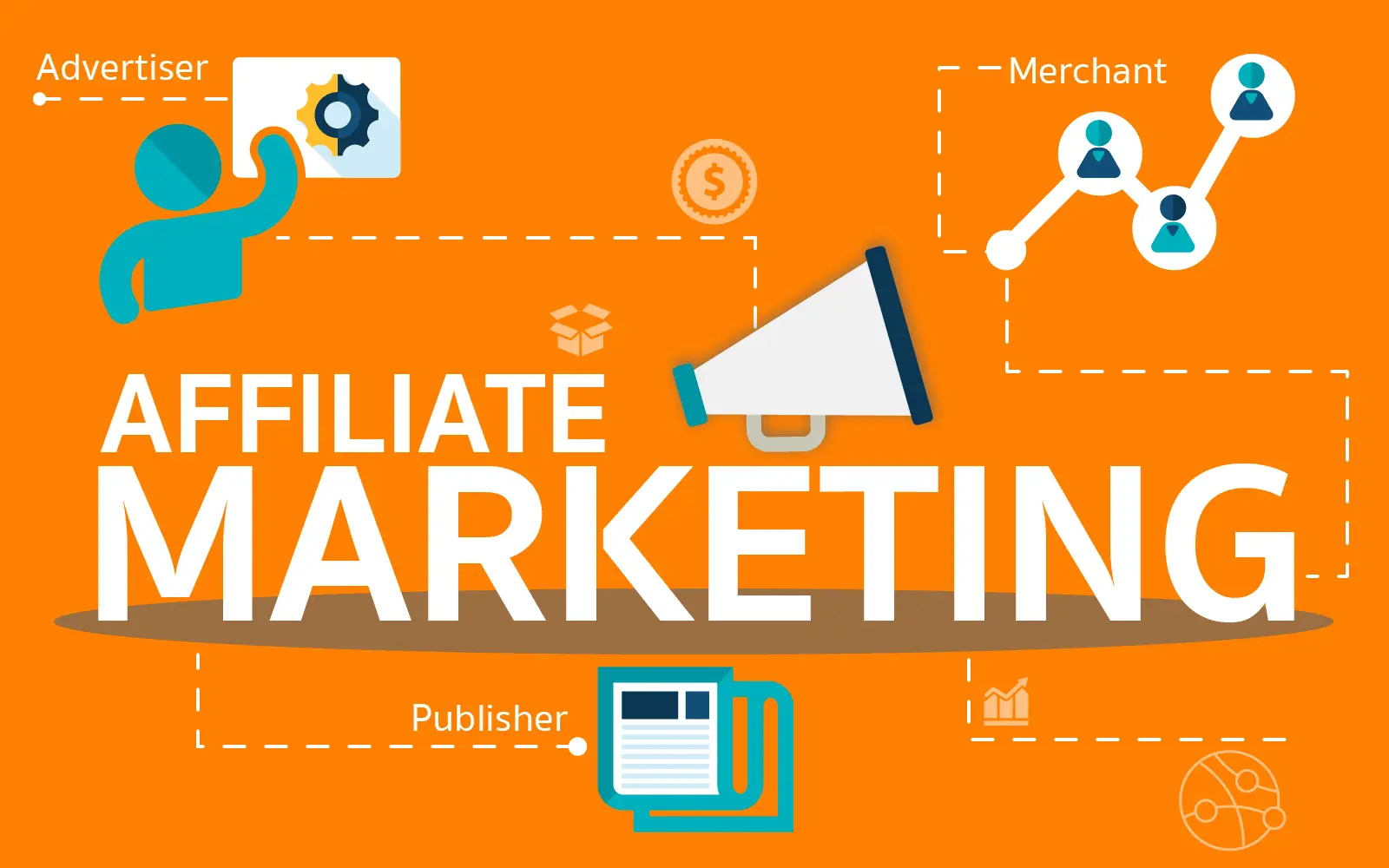
Affiliate marketing is one of the most common ways people earn money online today. It works by connecting brands, affiliates, and buyers in a simple system. Instead of selling products directly, affiliates recommend products or services. When buyers take action, affiliates earn a reward.
What makes affiliate marketing powerful is how natural it feels. Buyers do not feel pushed. Instead, they learn through reviews, guides, and honest opinions. Because of this, affiliate marketing fits perfectly into how people research and shop online today. It supports informed decisions rather than impulse buying.
Read also: What is Content Marketing and Why is it Important?
What Affiliate Marketing Really Is
A Performance-Based Digital Marketing Model
Affiliate marketing runs on performance. Affiliates earn only when a result happens. This result could be a sale, a sign-up, or a click. Because of this structure, brands reduce risk while affiliates earn based on effort and trust.
This model encourages quality. Affiliates focus on helping buyers, not just promoting links. As a result, content becomes more useful and trustworthy.
How the Affiliate Marketing Process Works Step by Step
First of all, you have to join an affiliate program. The affiliate receives a special tracking link. This link tracks buyer activity.
When a buyer clicks the link and completes an action, the system records it. Then, the affiliate earns a commission. This process happens automatically and keeps everything transparent.
Because tracking is clear, it has grown into a trusted system.
Why Affiliate Marketing Has Grown So Rapidly
Low Cost and Easy Entry
It does not require a large investment. Many affiliates start with blogs, videos, or social posts. Due to this low barrier, people can start without advanced tools or large budgets.
Platforms like YouTube and Instagram make it easy to reach audiences quickly.
Flexible and Scalable Opportunities
Affiliate marketing fits different lifestyles. Some affiliates work part-time, while others grow full-time income. Because content stays online, earning potential increases over time.
This flexibility makes affiliate marketing attractive to beginners and experienced creators alike.
Affiliate Marketing and Buyer Trust
Trust Is the Core of Affiliate Success
It depends on trust more than ads do. Buyers listen to affiliates who explain clearly and honestly. When affiliates share real experiences, buyers feel confident.
Because trust takes time to build, successful affiliates focus on long-term value instead of short-term gains.
Transparency Strengthens Credibility
Honest disclosure matters. When affiliates clearly explain their relationship, buyers feel respected. Transparency builds credibility and prevents disappointment.
As a result, ethical affiliate marketing performs better in the long run.
Content as the Foundation of Affiliate Marketing
Educational Content Builds Confidence
Affiliate marketing works best when content teaches. Guides, tutorials, and explanations help buyers understand how products solve problems.
Search engines like Google reward helpful content. Because of this, educational affiliate content often ranks well and attracts long-term traffic.
Comparison Content Helps Buyers Decide
Buyers often compare options. Affiliate content that lists features, pros, and cons helps simplify decisions.
Clear comparisons reduce confusion and help buyers choose what fits them best.
Visual and Video Content in Affiliate Marketing
Why Video Improves Understanding
Videos explain things faster. Seeing a product in use builds clarity and trust. Many affiliates use video to show real experiences.
Visual explanations reduce doubt and increase engagement.
Images Support Faster Decisions
Images help buyers understand features quickly. Screenshots, diagrams, and examples make content easier to follow.
Visual support improves retention and comprehension.
Main Channels Used in Affiliate Marketing
Blogs and Long-Form Websites
Blogs remain one of the strongest affiliate channels. Long-form content answers questions deeply and ranks well in search engines.
Because blog content stays online, it continues to generate results long after publishing.
Social Media Platforms
Social media allows quick sharing and interaction. Affiliates use posts, stories, and short videos to recommend products naturally.
Platforms like Facebook help affiliates engage directly with their audience.
Email Marketing for Long-Term Value
Email builds relationships over time. Affiliates send helpful tips, updates, and product insights to subscribers.
This ongoing connection builds loyalty and trust.
Benefits of Affiliate Marketing for Brands
Cost-Effective Promotion Model
Brands pay only when results happen. This lowers risk and improves return on investment.
This allows brands to scale promotion without hiring large teams.
Access to Niche and Targeted Audiences
Affiliates often serve specific niches. Their audiences trust their opinions.
Because of this, brands reach buyers they might not reach directly.
Benefits of Affiliate Marketing for Affiliates
Earning Through Long-Term Content
Affiliate content can generate income over time. Once published, content keeps working.
This long-term earning potential makes it appealing.
Creative Freedom and Independence
Affiliates control how they create content. They choose topics, formats, and products.
This freedom supports personal branding and creativity.
Common Challenges in Affiliate Marketing
Traffic Growth Takes Time
Affiliate marketing is not instant. Building traffic requires patience and consistency.
However, steady effort leads to lasting results.
Competition in Popular Niches
Some niches are crowded. Standing out requires better content and clear value.
Focusing on quality and relevance helps overcome competition.
Ethical Affiliate Marketing Practices
Honesty Protects Long-Term Growth
Promoting products honestly builds trust. Misleading content harms credibility.
Ethical practices support sustainable success.
Relevance Improves User Satisfaction
Recommending relevant products improves buyer satisfaction. When content matches needs, engagement increases.
This relevance strengthens loyalty.
Affiliate Marketing and the Buyer Journey
Helping Buyers Research and Learn
Affiliate content supports research. Buyers learn features, benefits, and limitations.
This knowledge helps buyers feel prepared.
Reducing Risk Through Information
Clear explanations reduce uncertainty. Buyers know what to expect.
As a result, confidence improves.
The Future of Affiliate Marketing
Growing Demand for Trusted Voices
Buyers prefer trusted recommendations over ads. This trend supports affiliate growth.
Content creators continue to influence decisions.
Better Tracking and Analytics
Technology improves tracking accuracy. Affiliates and brands gain clearer insights.
Better data leads to better strategies.
Important Facts That Explain the Power of Affiliate Marketing
Affiliate Marketing Is Performance-Based
It works on results, not promises. Affiliates earn only when buyers take action. Because of this model, effort and value matter more than hype.
Trust Plays a Bigger Role Than Advertising
Buyers trust real opinions more than ads. Affiliate marketing relies on honest reviews, guides, and experiences. As a result, recommendations feel natural and believable.
Most Buyers Research Before Purchasing
Many buyers search for information before making decisions. They read blogs, watch videos, and compare options. Because of this habit, affiliate content supports informed buying.
Search engines like Google help buyers discover helpful affiliate content easily.
Content Drives Long-Term Results
It depends on the content. Blog posts, videos, and guides stay online and keep attracting visitors. Because content lasts, earning potential continues to grow over time.
Video Content Increases Buyer Confidence
Videos explain products clearly and quickly. Platforms such as YouTube allow affiliates to show real use cases. This clarity reduces doubt and improves trust.
Affiliate Marketing Has a Low Entry Barrier
Most affiliates start with basic tools. A website, social account, or video channel is often enough. Because of this low cost, many beginners enter into this marketing program easily.
Social Media Supports Affiliate Discovery
Social platforms help affiliates reach audiences quickly. Posts, reels, and stories introduce products naturally. Platforms like Instagram support visual discovery and engagement.
Relevance Improves Affiliate Performance
Works best when products match audience needs. Relevant recommendations increase engagement and satisfaction. Because of this, niche-focused affiliates often perform better.
Affiliate Marketing Supports Global Reach
Affiliates can reach buyers worldwide. Content can be accessed anytime, anywhere. This global access expands earning opportunities without physical limits.
Ethical Affiliate Marketing Builds Long-Term Success
Honest disclosures and accurate information protect trust. Affiliates who focus on transparency build stronger relationships. Over time, this approach leads to steady growth.
Affiliate Marketing Grows With Digital Behavior
As online research and content consumption increase, affiliate marketing continues to grow. Buyers prefer guidance over hard selling, which keeps this model relevant.
FAQS:
Affiliate marketing is a way to earn money by recommending products or services. When someone uses an affiliate link and takes action, the affiliate earns a reward.
An affiliate shares a special tracking link in content like blogs or videos. When a buyer clicks the link and completes an action, the affiliate earns a commission.
Yes. Affiliate marketing works best when buyers trust the affiliate. Honest reviews, clear explanations, and real experiences help build that trust over time.
In most cases, yes. Content such as blogs, guides, or videos helps buyers understand products. Helpful content leads to better engagement and results.
Yes. Affiliates can use social media, email, or video platforms. However, websites often provide more control and long-term traffic.
Conclusion: Why Affiliate Marketing Continues to Thrive
Affiliate marketing works because it focuses on trust, education, and value. Instead of pushing sales, it guides buyers with helpful information. This approach benefits everyone involved.
In a crowded digital space, affiliate marketing stands out by respecting buyers. When done ethically and consistently, it creates long-term growth for affiliates, brands, and buyers alike.\
Read also: What is an Automated Business?