
For many years, people believed B2B content marketing had one job: collect leads. That thinking is now outdated. Today, content plays a much bigger role in how businesses make money. It helps buyers understand problems, compare solutions, and feel confident before they ever talk to sales.
In B2B, buying is slow. It involves research, meetings, approvals, and risk. Content supports buyers at every step. It educates them, builds trust, and removes fear. When done well, B2B content marketing drives revenue far beyond lead generation.
Industry research from Gartner shows that most B2B buyers complete over half of their buying journey before speaking to sales. This means content influences revenue early, often before a lead form is filled.
This article explains how content supports revenue across the full buyer journey—not just at the top of the funnel.
Read also: Is Affiliate Marketing a Pyramid Scheme?
Why B2B Companies Struggle Without a Clear Content Marketing Strategy
Long Sales Cycles Create Confusion for Buyers
B2B sales cycles are long. Some deals take months. Others take a year or more. Buyers must research problems, justify budgets, and convince multiple stakeholders.
Without structured content, buyers feel overwhelmed. They don’t know what step comes next. This confusion causes delays or lost deals.
Clear educational content guides buyers forward. Step-by-step explanations help them move with confidence. When buyers feel guided, they progress faster toward a purchase.
Decision-Makers Need Education, Not Promotions
B2B buyers are not impulse shoppers. They are professionals making high-risk decisions. Promotions alone do not work.
Studies from Forrester show that buyers value content that teaches more than content that sells. They want insights, clarity, and data.
Educational content builds credibility. Credibility leads to trust. Trust leads to revenue.
Sales Teams Lack Supporting Content Assets
Sales teams often repeat the same explanations again and again. This wastes time and slows growth.
Content fills this gap. When prospects read articles, guides, and case examples, they arrive informed. Sales calls become shorter and more productive.
This directly impacts revenue efficiency.
How Content Marketing Solves Lead Quality Issues in B2B
Educational Content Filters High-Intent Leads
Not all leads are equal. Some people are curious. Others are ready to buy.
Detailed content naturally filters intent. Someone who reads a long guide or industry breakdown shows serious interest. These leads convert at higher rates.
According to HubSpot, companies that publish educational content generate higher-quality leads than those using promotional messaging alone.
Thought Leadership Builds Buyer Confidence
Buyers trust experts. Thought leadership content shows deep understanding of industry problems and solutions.
When buyers feel understood, fear drops. Reduced fear speeds up buying decisions. Faster decisions increase revenue velocity.
Case Studies Reduce Sales Resistance
Risk is a major concern in B2B purchases. Buyers want proof.
Case studies show real outcomes. They demonstrate how problems were solved. This reduces objections and builds confidence.
Fewer objections mean smoother negotiations and higher close rates.
Using Content Marketing to Support Complex B2B Sales Funnels
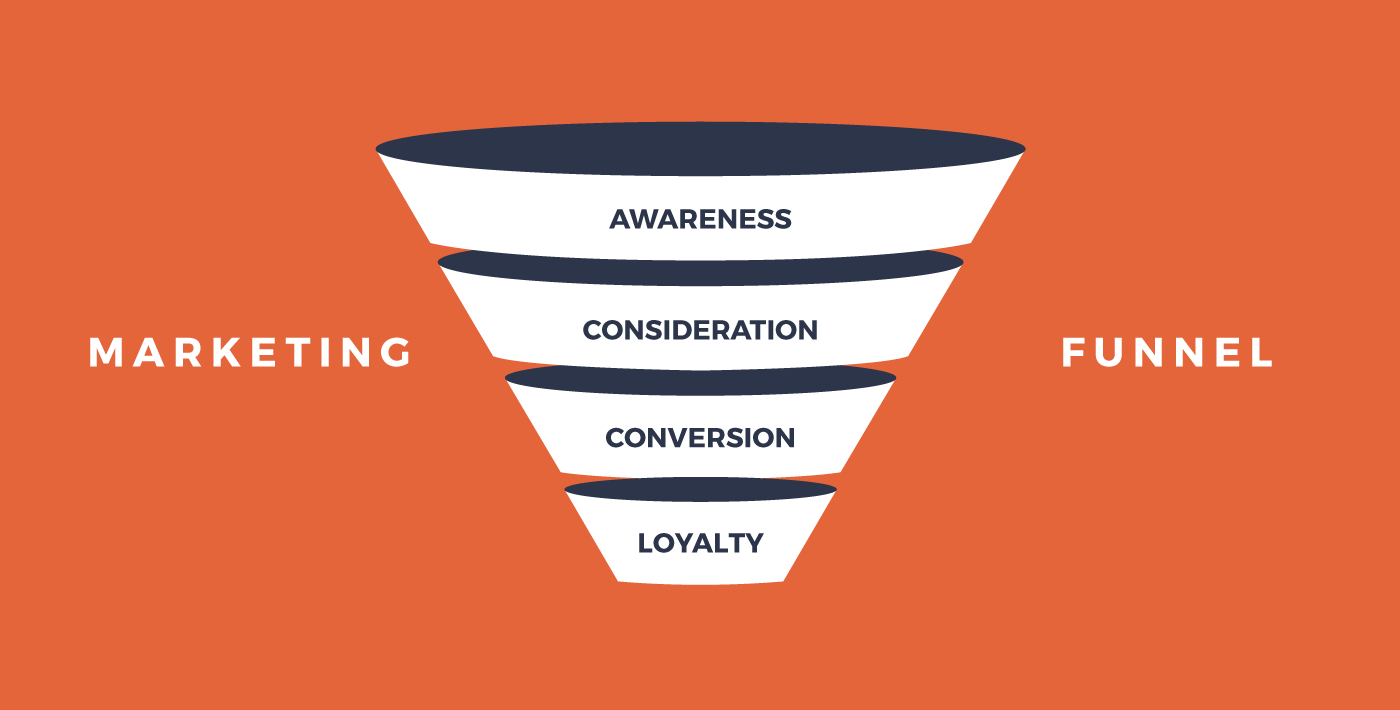
Top-of-Funnel Awareness Content for Cold Audiences
At the beginning, buyers only know they have a problem. They are not searching for products yet.
Awareness content explains challenges and trends. Blog posts, explainers, and industry insights attract early-stage buyers.
This content starts the relationship without pressure.
Mid-Funnel Content That Nurtures Trust
As buyers learn more, they seek solutions. Mid-funnel content answers deeper questions.
Comparison guides, solution breakdowns, and how-to content help buyers evaluate options. This builds trust and keeps them engaged.
Bottom-Funnel Content That Drives Conversions
At the decision stage, buyers want certainty. Bottom-funnel content provides reassurance.
FAQs, implementation guides, and case studies remove final doubts. This content often influences the final “yes.”
Content Marketing Strategy for B2B Brand Authority
Publishing Expertise Without Direct Selling
Authority grows when content teaches without selling. Buyers respect brands that share knowledge openly.
Educational content positions a brand as a trusted advisor. Trusted advisors win long-term customers.
Consistent Messaging Across Multiple Channels
B2B buyers interact with content across blogs, email, and social platforms like LinkedIn.
Consistency across channels builds familiarity. Familiarity builds trust. Trust supports revenue growth.
Establishing Trust in Competitive Markets
In competitive industries, products often look similar. Trust becomes the deciding factor.
Content builds trust before sales conversations begin. This gives businesses an advantage long before pricing discussions.
Solving Low Engagement Problems in B2B Marketing
Creating Buyer-Focused Content Instead of Product Pitches
Low engagement often comes from self-focused messaging. Buyers care about outcomes, not features.
Buyer-focused content speaks to real pain points. This increases engagement and time spent with the brand.
Using Data-Driven Topics That Match Search Intent
Content performs best when it matches what buyers are searching for. Search intent matters.
Optimizing content for informational, comparative, and transactional intent improves relevance. Relevant content attracts qualified buyers.
Repurposing Content Across Multiple Platforms
One strong article can power many channels. It can become an email, presentation, or social post.
Repurposing increases reach without increasing cost. More reach means more revenue touchpoints.
Content Marketing for B2B SEO and Organic Growth
Ranking for High-Intent Industry Keywords
SEO is not about traffic volume alone. It is about buyer intent.
Ranking for high-intent keywords attracts decision-makers. These visitors are closer to purchase.
Building Topic Authority Over Time
Search engines favor depth. Topic clusters signal expertise.
Consistent publishing builds authority and stable organic traffic. Stable traffic supports predictable revenue.
Reducing Cost per Lead Through Organic Traffic
Paid ads stop when budgets stop. Content keeps working.
Organic traffic lowers acquisition costs and improves profit margins over time.
Aligning Sales and Marketing Through Content Strategy
Creating Sales Enablement Content
Sales teams close deals faster when buyers are educated.
Content answers common questions before calls. This allows sales teams to focus on closing, not explaining basics.
Answering Buyer Objections Before Sales Calls
Content can address pricing concerns, implementation fears, and risk questions early.
This prepares buyers mentally and emotionally for purchase decisions.
Shortening the Decision-Making Process
When buyers feel informed, they decide faster.
Shorter decision cycles increase revenue speed and forecast accuracy.
Measuring the ROI of B2B Content Marketing
Tracking Lead Quality Instead of Traffic Alone
Traffic is only the starting point. Engagement shows intent.
Metrics like time on page, scroll depth, and assisted conversions reveal content impact.
Content Performance Across the Funnel
Each piece of content serves a purpose. Some educate. Some convert.
Tracking performance by funnel stage shows where revenue influence happens.
Connecting Content Metrics to Revenue
Advanced tracking links content to pipeline and closed deals.
When content influences revenue, it becomes a business asset—not a marketing expense.
Facts and Myths About B2B Content Marketing
Many B2B companies misunderstand how content marketing really works. Some believe it is slow, expensive, or only useful for awareness. Others expect instant results. These myths lead to poor strategies and lost revenue.
Below is a clear breakdown of facts vs myths, backed by industry insights and real buyer behavior.
FACT 1: B2B Content Marketing Directly Influences Revenue
Many assume content only brings traffic or leads. In reality, content plays a role in closing deals.
Research from Gartner shows that B2B buyers complete a large portion of their buying journey before speaking to sales. During this time, content shapes decisions.
Content:
- Builds trust
- Answers objections
- Reduces risk
- Supports final approvals
This means content impacts revenue even when no form is filled.
MYTH: Content Marketing Is Only for Lead Generation
This is one of the biggest myths in B2B marketing.
Leads are only the beginning. Revenue comes from:
- Educated buyers
- Shorter sales cycles
- Higher deal confidence
Content supports all of these. When content is ignored after lead capture, revenue potential is lost.
FACT 2: B2B Buyers Want Education, Not Sales Messages
B2B buyers are professionals. They are careful with money and reputation. They do not want to be pushed.
Studies from Forrester show buyers prefer content that teaches and explains rather than content that sells.
Educational content helps buyers:
- Understand problems
- Compare options
- Justify decisions internally
MYTH: More Promotional Content Leads to Faster Sales
Promotional content often slows sales instead of speeding them up.
When buyers feel pushed, they hesitate. When buyers feel informed, they move forward.
Education builds trust. Trust drives revenue.
FACT 3: Content Shortens the B2B Sales Cycle
Many think content slows things down. The opposite is true.
Good content:
- Answers common questions early
- Removes confusion
- Handles objections before sales calls
According to HubSpot, companies using educational content report faster deal progression because buyers arrive informed.
MYTH: Content Marketing Makes Sales Cycles Longer
This myth comes from poorly planned content.
Random blog posts do not help. Strategic content does.
When content matches each stage of the buyer journey, it reduces back-and-forth, not increases it.
FACT 4: High-Quality Content Attracts Better Leads
Not all leads are equal. Some waste sales time. Others convert quickly.
In-depth content naturally filters leads:
- Casual readers drop off
- Serious buyers stay engaged
This improves lead quality and conversion rates.
MYTH: More Traffic Automatically Means More Revenue
Traffic without intent does not convert.
Revenue comes from:
- Right audience
- Right message
- Right timing
Content focused on buyer intent performs better than content chasing clicks.
FACT 5: Content Builds Trust Before the First Sales Call
Trust is critical in B2B. Buyers fear making the wrong choice.
Content builds trust early by:
- Showing expertise
- Sharing insights
- Explaining risks and outcomes
By the time buyers speak to sales, they already feel confident.
MYTH: Trust Is Built Only Through Sales Conversations
Sales calls matter, but trust starts earlier.
Content often makes the first impression. If that impression is weak, sales must work harder.
Strong content makes sales conversations easier and more effective.
FACT 6: Content Supports Sales Teams and Improves Close Rates
Content is not just for marketing. It is a sales tool.
Sales teams use content to:
- Share explanations
- Address objections
- Support follow-ups
This improves close rates and reduces sales effort.
MYTH: Content Marketing and Sales Are Separate Functions
This myth causes misalignment.
The best-performing B2B companies align content with sales needs. When marketing and sales work together, revenue grows faster.
FACT 7: SEO-Driven Content Lowers Cost per Acquisition
Paid ads stop when spending stops. Content keeps working.
SEO-focused content:
- Brings consistent traffic
- Attracts high-intent buyers
- Reduces reliance on ads
Over time, this lowers customer acquisition costs.
MYTH: SEO Content Is Only for Awareness
SEO content can rank for:
- Buyer questions
- Comparison searches
- Solution-related terms
These searches often happen close to purchase decisions.
FACT 8: Content Helps Buyers Justify Decisions Internally
B2B buying involves many people. Buyers must explain decisions to managers, teams, or executives.
Content helps them:
- Share articles
- Present case studies
- Support recommendations
This internal justification is critical for closing deals.
MYTH: Content Only Matters to the Person Who Finds It
In B2B, content travels internally.
One article can influence:
- Technical teams
- Finance teams
- Leadership
This expands content’s revenue impact beyond one reader.
FACT 9: Content Performance Can Be Measured Against Revenue
Modern analytics connect content to business results.
Companies track:
- Assisted conversions
- Sales-influenced content
- Funnel-stage performance
This proves content’s role in revenue.
MYTH: Content Marketing ROI Cannot Be Measured
This myth comes from poor tracking.
When content is mapped to the funnel and sales data, ROI becomes visible and measurable.
FACT 10: Content Marketing Creates Long-Term Revenue Stability
Content compounds over time. Each piece adds value.
A strong content library:
- Attracts new buyers
- Educates existing customers
- Supports upsells and renewals
This creates long-term revenue stability.
MYTH: Content Marketing Is a Short-Term Tactic
Content is a long-term asset.
While results take time, the payoff grows with consistency. Businesses that stop early miss the biggest gains.
Conclusion: Why B2B Content Marketing Is a Revenue Engine
B2B content marketing is no longer just about leads. It is about revenue. It educates buyers, builds trust, aligns teams, and shortens sales cycles. From first awareness to final decision, content supports every step.
Businesses that focus only on lead volume miss real growth. Revenue comes from confidence, clarity, and consistency. Content delivers all three.
A strong B2B content marketing strategy transforms marketing into a long-term revenue engine. When done right, content doesn’t just attract attention—it drives sustainable business growth.
Read also: Passive Income Ideas for Young Adults