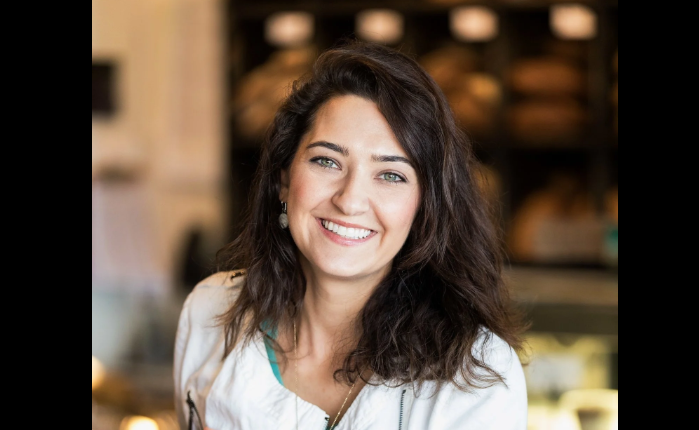
Public curiosity is nothing new. When someone appears on television often, people start to feel like they know them. This is especially true for familiar faces in journalism and weather reporting. Elizabeth Rizzini, an English journalist and weather forecaster born on November 19, 1975, is one of those recognizable figures. Viewers see her calm delivery, clear explanations, and professional presence. Over time, curiosity grows beyond her work.
Searches and online conversations about Elizabeth Rizzini sometimes drift into personal territory, including questions about disability. These questions are rarely based on confirmed facts. Instead, they reflect something larger: how society views disability, how media audiences treat public figures, and where ethical lines should be drawn.
This article explores those bigger questions. It looks at why curiosity forms, how speculation spreads, and what responsible media behavior can look like in a modern, always-online world.
Public Curiosity Around Elizabeth Rizzini and Disability
Problem: Audiences often speculate about personal health without facts
When people watch television regularly, they notice details. Small changes in appearance, voice, or movement can spark questions. For public figures like Elizabeth Rizzini, this attention can quickly turn into speculation. Viewers may search for answers online, even when no information has been shared publicly.
This kind of curiosity often comes from habit, not harm. Still, it can cross into uncomfortable territory when it focuses on health or disability without consent or confirmation.
Why viewers analyze appearance and behavior on television
Television is visual and repetitive. Seeing the same person daily makes viewers feel familiar with them. This can lead to over-analysis. A pause in speech or a different posture might be read as something meaningful, even when it is not.
For journalists and weather presenters, professionalism is part of the job. Calm delivery and steady tone are skills, not clues about personal health. Yet public curiosity does not always separate the two.
The rise of online searches driven by curiosity, not confirmation
Search engines make it easy to ask questions anonymously. People type what they wonder, even if they would never ask it out loud. Over time, these searches create trends that suggest widespread interest, even when the topic is unverified.
In the case of Elizabeth Rizzini, this shows how quickly curiosity can turn into assumed narratives.
Solution: Refocusing attention on professional achievements
The most effective response to speculation is often a shift in focus. When audiences center on work rather than personal traits, the conversation changes.
Recognizing journalistic credibility over personal assumptions
Elizabeth Rizzini is known for her clear communication and consistent delivery. These are professional strengths. Focusing on skill, experience, and reliability helps keep public discussion respectful and grounded.
Respecting privacy in the age of searchable public figures
Not every question deserves an answer. Privacy remains important, even for people in the public eye. Respecting that boundary is part of ethical media consumption.
Disability Representation in Broadcast Journalism
Problem: Limited understanding of visible vs. invisible disabilities
Disability is not always obvious. Some disabilities are visible, while others are not. Many people still assume disability must look a certain way. This misunderstanding fuels speculation and false assumptions.
When viewers lack awareness, they may label normal human variation as something else entirely.
How misconceptions form around on-screen professionals
Television creates expectations. Viewers may think presenters should look or sound a certain way. When someone does not match that expectation, questions arise. These questions often say more about audience bias than about the person being watched.
The pressure for public figures to explain personal matters
Public figures are sometimes expected to explain themselves, even when they owe no explanation. This pressure can feel unfair, especially when it involves health or disability.
Solution: Normalizing inclusion without forced disclosure
True inclusion does not require personal disclosure. It allows people to exist and work without explanation.
How representation works without personal narratives
Representation can be quiet. A journalist doing their job well, regardless of personal circumstances, sends a powerful message. It shows that ability is not defined by assumptions.
Letting performance and expertise lead public perception
When audiences focus on what someone does rather than who they are, understanding improves. Elizabeth Rizzini’s on-screen presence speaks through professionalism, not personal storytelling.
Media Ethics and Responsible Reporting
Problem: Speculative content spreads faster than verified information
Speculation travels fast online. A single post or comment can be repeated many times. Soon, guesses start to sound like facts. This is a major challenge in modern media culture.
Search trends shaping misleading narratives
When many people search the same question, it can look important. Content creators may respond to demand without checking accuracy. This cycle feeds misinformation.
The role of forums and commentary spaces
Discussion spaces allow open conversation, but they can also amplify rumors. Without moderation or fact-checking, speculation grows.
Solution: Ethical content creation and factual boundaries
Responsible media practices matter more than ever.
Writing responsibly about journalists and broadcasters
Journalists deserve the same respect they give to others. Writing about them should follow clear ethical standards, including respect for privacy and truth.
Differentiating confirmed facts from public curiosity
Curiosity is not evidence. Ethical reporting makes that distinction clear and avoids presenting assumptions as reality.
Workplace Inclusion and Ability Perception
Problem: Assumptions about ability in high-pressure roles
Broadcast journalism is fast-paced and demanding. Some people wrongly assume that disability and high performance cannot coexist. This belief is outdated and harmful.
Misunderstanding the demands of live broadcasting
Live reporting requires preparation, focus, and adaptability. These skills are learned and practiced. They are not tied to physical appearance or perceived ability.
Stereotypes around disability and performance
Stereotypes limit understanding. They reduce people to one imagined trait instead of seeing the whole professional.
Solution: Inclusive environments and equal standards
Inclusion means judging work by quality, not by assumptions.
Supporting diverse professionals through structure and respect
Workplaces thrive when they support different needs without making them headlines. Quiet support is often the most effective.
Evaluating journalists by skill, not speculation
The measure of success should always be the work itself. Elizabeth Rizzini’s career shows the value of consistency and expertise.
Professional Identity of Elizabeth Rizzini
Problem: Personal speculation overshadowing career accomplishments
When attention shifts from work to personal guesses, professional achievements fade into the background. This does a disservice to years of experience and effort.
When public narratives drift away from journalism
Stories about journalists should focus on journalism. When they do not, audiences lose sight of what really matters.
Gendered scrutiny in broadcast media
Women in media often face more personal scrutiny than men. Appearance, voice, and behavior are analyzed more closely. This adds another layer to public curiosity.
Solution: Centering experience, expertise, and consistency
Refocusing on work helps correct this imbalance.
Elizabeth Rizzini’s role as a trusted journalist
Elizabeth Rizzini has built trust through clarity and professionalism. That trust comes from performance, not personal disclosure.
Collaboration and professionalism on screen
Working alongside respected colleagues like Wendy Hurrell, she contributes to a shared goal: informing the public clearly and accurately.
Conclusion: What Public Curiosity Really Reveals
Public curiosity around Elizabeth Rizzini is not just about one person. It reflects larger questions about disability, privacy, and media ethics. In a digital world where questions are easy to ask and rumors spread fast, responsibility matters.
Disability should not be assumed, demanded, or explained away. Journalists should be judged by their work, not by speculation. When audiences shift focus from personal curiosity to professional respect, media culture improves.
The conversation surrounding Elizabeth Rizzini offers a chance to rethink how we engage with public figures. It reminds us that ethics, empathy, and restraint still have a place in modern media.
FAQS:
Elizabeth Rizzini is an English journalist and weather forecaster born on November 19, 1975. She is known for her clear on-screen delivery and professional approach to broadcast journalism.
Many searches are driven by public curiosity rather than confirmed information. When someone appears regularly on television, viewers often analyze appearance or behavior, which can lead to assumptions that are not based on facts.
There is no confirmed public statement from Elizabeth Rizzini about having a disability. Personal health information is private, and public figures are not required to share it.
Speculation can spread misinformation and invade personal privacy. Ethical media practices focus on verified facts and professional work, not assumptions about someone’s health or body.
Constant scrutiny can shift attention away from professional skills and experience. For journalists, this can be frustrating, as their work should be the main focus.