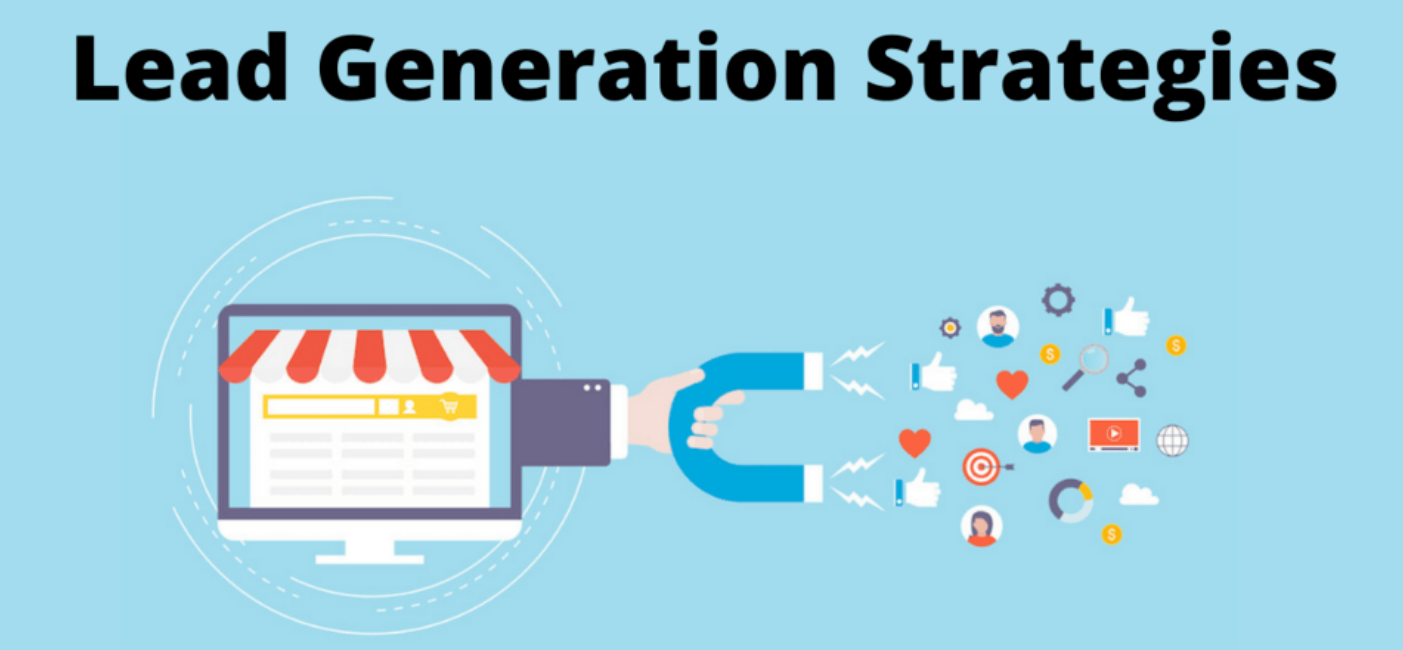
Today, the way people buy has completely changed. In the past, buyers often relied on stores, ads, or word of mouth. However, now most buyers begin their journey online. Because of this shift, digital marketing has become the main bridge that connects brands and buyers.
Instead of guessing what buyers want, brands can now meet them where they already are. For example, buyers search, scroll, compare, and read before deciding. As a result, digital marketing helps brands show up during these moments with helpful information. More importantly, it allows brands to guide buyers rather than push them.
In simple terms, digital marketing closes the distance. It replaces silence with conversation and confusion with clarity. Because of that, the connection between brands and buyers feels easier, faster, and more human.
Read also: Power of Social Media Marketing
Why Traditional Marketing Often Created Distance
One-Way Communication Limited Trust
In the past, traditional marketing mostly worked in one direction. Brands talked, and buyers listened. Unfortunately, buyers could not respond, ask questions, or learn more instantly.
Because of this, trust was harder to build. Buyers often felt disconnected from the message. In contrast, digital marketing encourages conversation. Buyers can click, comment, and explore further. As a result, brands can listen and respond, which immediately reduces distance.
Lack of Insight Into Buyer Behavior
Another problem with traditional marketing was the lack of clear feedback. Brands could not easily tell who was interested and who was not. Therefore, decisions were often based on guesswork.
Today, however, digital marketing provides clear data. Brands can see what buyers read, where they click, and how long they stay. Because of these insights, brands can adjust their message to better match buyer needs.
Search Engines as the First Point of Connection
Buyers Begin With Questions, Not Purchases
Most buying journeys begin with a question. First, buyers search for answers. Then, they explore possible solutions. Because of this behavior, search engines like Google play a major role in digital marketing.
When brands provide clear and helpful answers, buyers start to trust them. Over time, this trust becomes the foundation for future decisions.
Visibility Builds Familiarity Over Time
Additionally, repeated visibility matters. When buyers see a brand appear again and again, it feels familiar. Eventually, familiarity creates comfort.
Therefore, search-focused digital marketing helps brands stay present throughout the buyer journey. As a result, buyers feel guided rather than overwhelmed.
Social Media Turns Awareness Into Real Relationships
Daily Interaction Feels Natural and Relatable
Social platforms such as Facebook, Instagram, and LinkedIn allow brands to appear naturally in daily life.
Instead of formal ads, buyers see posts, stories, and updates. Because these interactions feel casual, buyers are more open. As a result, brands feel approachable rather than distant.
Community Builds Trust Gradually
Moreover, social media allows public interaction. Buyers can see how brands respond to questions, comments, and concerns. When responses are honest and helpful, trust grows.
Over time, this shared space creates a sense of community. Consequently, buyers feel connected long before they make a purchase.
Content Marketing as the Strongest Bridge
Helping Comes Before Selling
Content marketing focuses on education first. Instead of pushing sales, brands explain topics, answer questions, and solve problems.
Because buyers feel supported, they stay longer. Eventually, informed buyers feel confident enough to move forward. Therefore, content becomes a powerful bridge between brands and buyers.
Consistency Builds Authority and Confidence
In addition, consistency matters. When brands publish helpful content regularly, buyers begin to rely on them. As trust grows, decision-making becomes easier.
Furthermore, content stays online for a long time. As a result, it continues to attract new buyers and strengthen the connection over time.
Personalization Makes Digital Marketing Feel Human
Relevant Messages Reduce Noise
Allows brands to personalize messages. Instead of showing the same content to everyone, buyers see messages that match their interests.
Because of this relevance, marketing feels thoughtful rather than intrusive. Consequently, buyers are more likely to engage.
Email Marketing Maintains Long-Term Connection
Email marketing helps brands stay connected even after the first visit. Helpful updates and reminders arrive directly in the inbox.
Tools like Mailchimp support timely and useful communication. As a result, buyers remember brands even when they are not ready to buy.
Digital Advertising Closes the Awareness Gap
Targeting Reaches Buyers With Intent
Unlike traditional ads, digital advertising focuses on intent. Brands can reach buyers who are already searching or showing interest.
Platforms such as Google Ads allow brands to show messages at the right moment. Therefore, advertising feels more helpful and less disruptive.
Retargeting Supports Thoughtful Decisions
However, many buyers need time. Because of this, retargeting plays an important role. Gentle reminders help buyers remember what they explored earlier.
As a result, decisions feel supported rather than rushed.
Trust Signals Help Buyers Feel Safe
Reviews Reduce Doubt and Fear
Buyers trust other buyers. Because of that, reviews and ratings strongly influence decisions. Seeing real experiences reduces uncertainty.
Digital marketing makes these trust signals visible at key moments. Consequently, buyers feel more confident moving forward.
Clear Websites Build Instant Confidence
Additionally, website clarity matters. Buyers expect fast loading, simple navigation, and clear information.
By using insights from Google Analytics, brands can improve user experience. As a result, friction decreases and trust increases.
Digital Marketing Supports the Full Buyer Journey
Guiding Buyers Step by Step
Buyers move through stages. First, they learn. Next, they compare. Finally, they decide. Digital marketing supports each stage with the right content.
Because of this guidance, the journey feels smooth. Buyers never feel lost or pressured.
Post-Purchase Engagement Builds Loyalty
After the purchase, communication continues. Helpful follow-ups, tips, and updates keep buyers engaged.
Over time, loyal buyers return and recommend brands to others. Therefore, digital marketing turns one-time buyers into long-term supporters.
Why Digital Marketing Feels More Personal
Two-Way Communication Builds Respect
Digital channels allow conversation. Buyers can share feedback, and brands can respond quickly.
Because of this exchange, relationships grow stronger. Buyers feel heard, and brands feel connected.
Storytelling Creates Emotional Bonds
Stories make brands relatable. When buyers connect emotionally, they remember the experience.
As a result, storytelling strengthens long-term engagement and trust.
Data Helps Brands Listen and Improve
Behavior Insights Guide Better Decisions
Digital data shows what buyers care about. Brands can see which topics attract attention and which messages work best.
Because of these insights, communication improves over time.
Continuous Improvement Keeps the Bridge Strong
Digital marketing allows quick adjustments. Brands can refine content, ads, and experiences based on results.
Therefore, the bridge between brands and buyers stays strong and relevant.
FAQS:
Digital marketing is the use of online channels to connect brands with buyers. It includes websites, search engines, social media, email, and online ads. The goal is to share helpful information, build trust, and guide buyers toward decisions.
Digital marketing helps buyers find clear answers quickly. It allows people to compare options, read reviews, and learn at their own pace. This makes buying feel easier, safer, and more informed.
Digital marketing tools track behavior like clicks, searches, and time spent on pages. This data shows what buyers care about. Brands can then improve content, messages, and experiences based on real needs.
Content marketing focuses on helping instead of selling. When brands share useful guides, tips, and explanations, buyers feel supported. Over time, this helpful approach builds trust and credibility.
Yes. Digital marketing uses personalization to show relevant content to different people. Buyers see messages that match their interests, making communication feel more human and less generic.
Reviews act as social proof. Buyers trust feedback from others who already made similar choices. Positive and honest reviews reduce doubt and help buyers feel confident.
No. Digital marketing supports both online and offline buying. Even when purchases happen in person, buyers often research online first. Digital marketing guides them before they ever visit a store or office.
Digital marketing keeps brands connected after the first interaction. Follow-up emails, helpful content, and ongoing communication build loyalty and encourage repeat engagement.
Digital marketing allows two-way communication, real-time tracking, and flexible improvement. Buyers can interact, ask questions, and learn more easily than with traditional one-way advertising.
Digital marketing brings brands and buyers into the same online space. It listens, responds, and adapts. By focusing on value, clarity, and trust, it closes the gap and creates meaningful connections.
Conclusion: Closing the Distance With Smart Digital Marketing
Digital marketing bridges the gap between brands and buyers by making communication clear, useful, and personal. It replaces one-way messaging with real conversation and guesswork with insight. Buyers feel guided instead of pressured. Brands feel connected instead of distant.
In today’s digital-first world, strong connections matter more than loud messages. Digital marketing creates these connections by meeting buyers where they are, helping them learn, and supporting their decisions. When done well, this bridge turns simple interactions into lasting trust and long-term relationships that benefit both brands and buyers.
Read also: Remote Email Marketing Jobs: