Why Campaign Performance Reporting Matters
Reporting is not just about showing numbers—it’s about accountability and direction. For a digital marketing company, strong reporting helps businesses:
- See return on investment (ROI)
- Understand customer behavior
- Identify winning channels and strategies
- Spot problems early
- Plan future marketing budgets with confidence
Without proper reporting, marketing becomes guesswork.
What Metrics Do Digital Marketing Companies Track?
The exact metrics depend on campaign goals, but most reports focus on performance indicators tied to business outcomes, not vanity numbers.
Traffic & Visibility Metrics
These show how well campaigns attract attention:
- Website visits and sessions
- Traffic sources (organic, paid, social, referral)
- Impressions and reach
- New vs returning visitors
These metrics help explain where audiences are coming from.
Engagement Metrics
Engagement shows how users interact with content:
- Time on site
- Pages per session
- Click-through rate (CTR)
- Bounce rate
- Video views or social interactions
High engagement usually signals relevant messaging and targeting.
Conversion & Lead Metrics
This is where performance connects to revenue:
- Form submissions
- Phone calls
- Purchases
- Appointment bookings
- Conversion rate
Digital marketing companies prioritize these metrics because they show real business impact.
Cost & ROI Metrics
For paid campaigns especially, reports include:
- Cost per click (CPC)
- Cost per lead (CPL)
- Cost per acquisition (CPA)
- Ad spend vs revenue
- Overall ROI
These numbers help businesses evaluate efficiency.
Tools Digital Marketing Companies Use for Reporting
Most agencies rely on trusted analytics and advertising platforms to collect accurate data.
Common tools include:
- Google Analytics for website behavior and conversions
- Google Ads for paid search performance
- Meta Ads Manager for social advertising
- SEO tools for rankings, keywords, and backlinks
- CRM systems to track leads and sales
These tools ensure reporting is data-driven and verifiable.
How Performance Reports Are Structured
Most digital marketing companies follow a consistent reporting structure to keep things clear and easy to understand.
Executive Summary
This section explains:
- Overall performance
- Key wins and challenges
- Progress toward goals
It’s written for decision-makers who want insights quickly.
Channel-by-Channel Breakdown
Each marketing channel is reported separately, such as:
- SEO
- Paid advertising
- Social media
- Email marketing
- Content marketing
This shows which channels are driving results and which need improvement.
Visual Data & Dashboards
Reports often include:
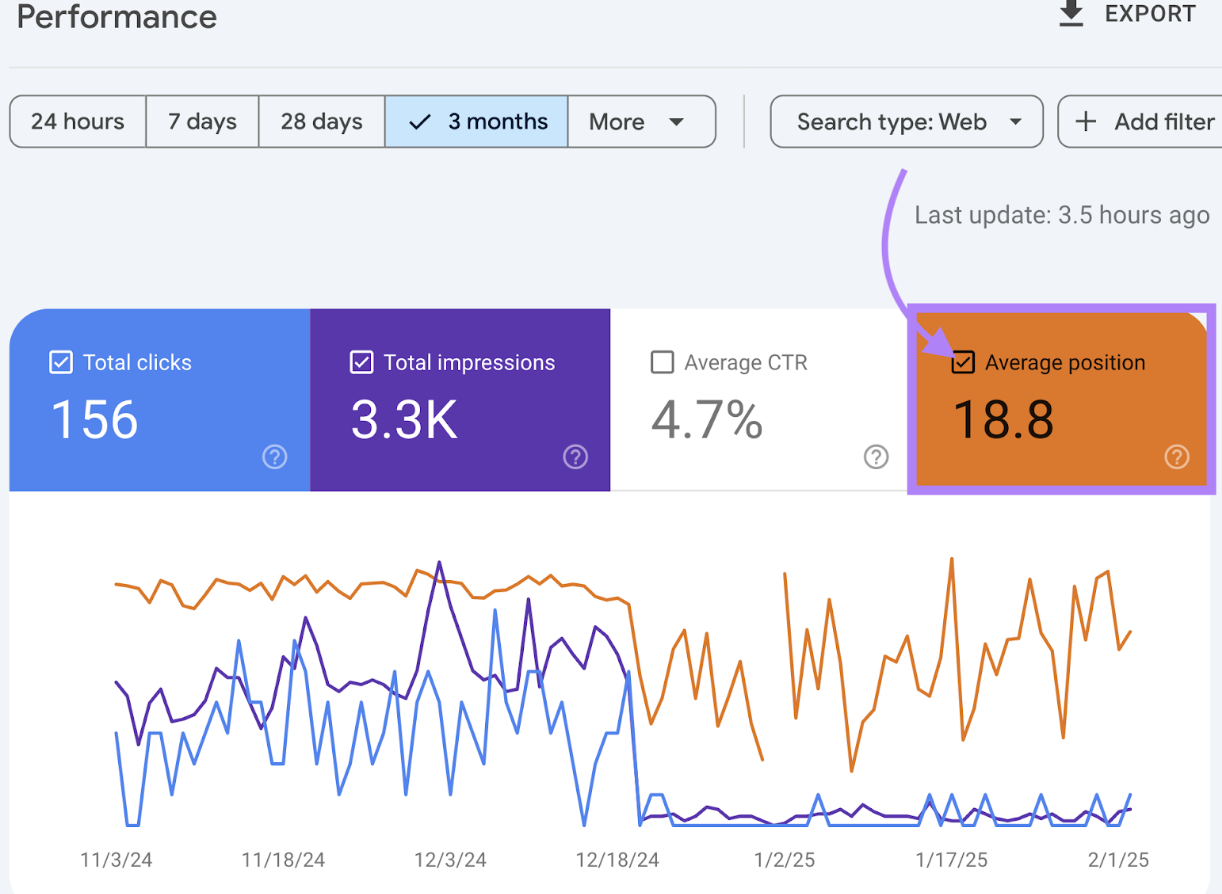
- Charts and graphs
- Trend lines over time
- Comparisons to previous months
Visuals make performance easier to interpret, especially for non-technical clients.
Insights and Recommendations
Good reporting doesn’t stop at numbers. Digital marketing companies explain:
- Why performance changed
- What strategies worked
- What should be adjusted next month
This turns reporting into a strategic planning tool.
Reporting Frequency: How Often Do Clients Get Reports?
Most agencies provide:
- Monthly performance reports (most common)
- Weekly summaries for active ad campaigns
- Quarterly reviews for long-term strategy
Frequency depends on campaign intensity and client preference.
How Digital Marketing Companies Customize Reports
Not every business needs the same data. Strong agencies tailor reports based on:
- Industry
- Campaign goals
- Sales cycle length
- Stakeholder needs
For example:
- An eCommerce brand focuses on revenue and conversions
- A service business prioritizes leads and calls
- A startup may focus on growth and awareness
Customization keeps reports relevant and actionable.
Transparency and Client Access
Many digital marketing companies provide:
- Live dashboards with real-time data
- Shared access to analytics accounts
- Clear explanations of metrics
Transparency builds trust and allows clients to verify performance independently.
Common Reporting Mistakes to Watch Out For
Not all reports are created equal. Red flags include:
- Focusing only on impressions or likes
- Avoiding conversion or ROI metrics
- Using vague language instead of data
- Not explaining poor performance
- Overloading reports with unnecessary metrics
Good reports are clear, honest, and outcome-focused.
How Clients Should Use Performance Reports
Clients shouldn’t just read reports—they should act on them.
Use reports to:
- Adjust budgets
- Improve messaging
- Refine targeting
- Set realistic growth goals
- Ask informed questions
Performance reporting works best as a two-way conversation.
Conclusion
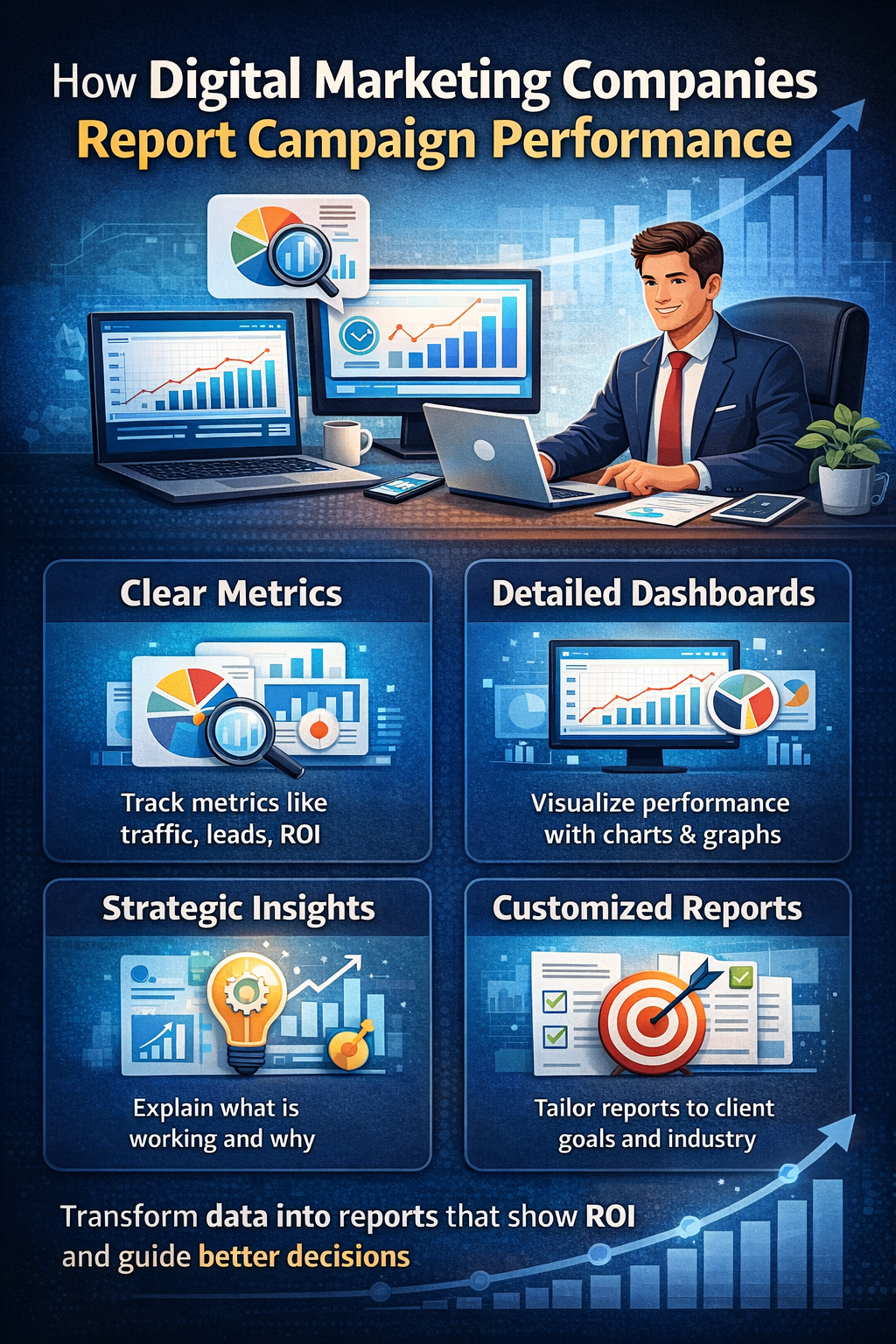
Digital marketing companies report campaign performance by combining data, insights, and strategic guidance. Through clear metrics, trusted analytics tools, and customized reporting, they help businesses understand where their marketing dollars are going and what results they’re producing.
The best reports don’t just show numbers—they tell a story, highlight opportunities, and guide smarter decisions for future growth.
Read also What Digital Marketing Metrics Reveal About Real Audience Intent