In today’s digital age, businesses increasingly rely on SEO (Search Engine Optimization) to improve website rankings and drive organic traffic. SEO is no longer just about placing keywords in content. It requires a strategic, data-driven approach to improve visibility on search engines like Google.
One of the most powerful tools SEO companies use is data and analytics. By analyzing user behavior, website performance, and search trends, SEO professionals optimize websites to rank higher and achieve business goals.
The Power of Data in SEO
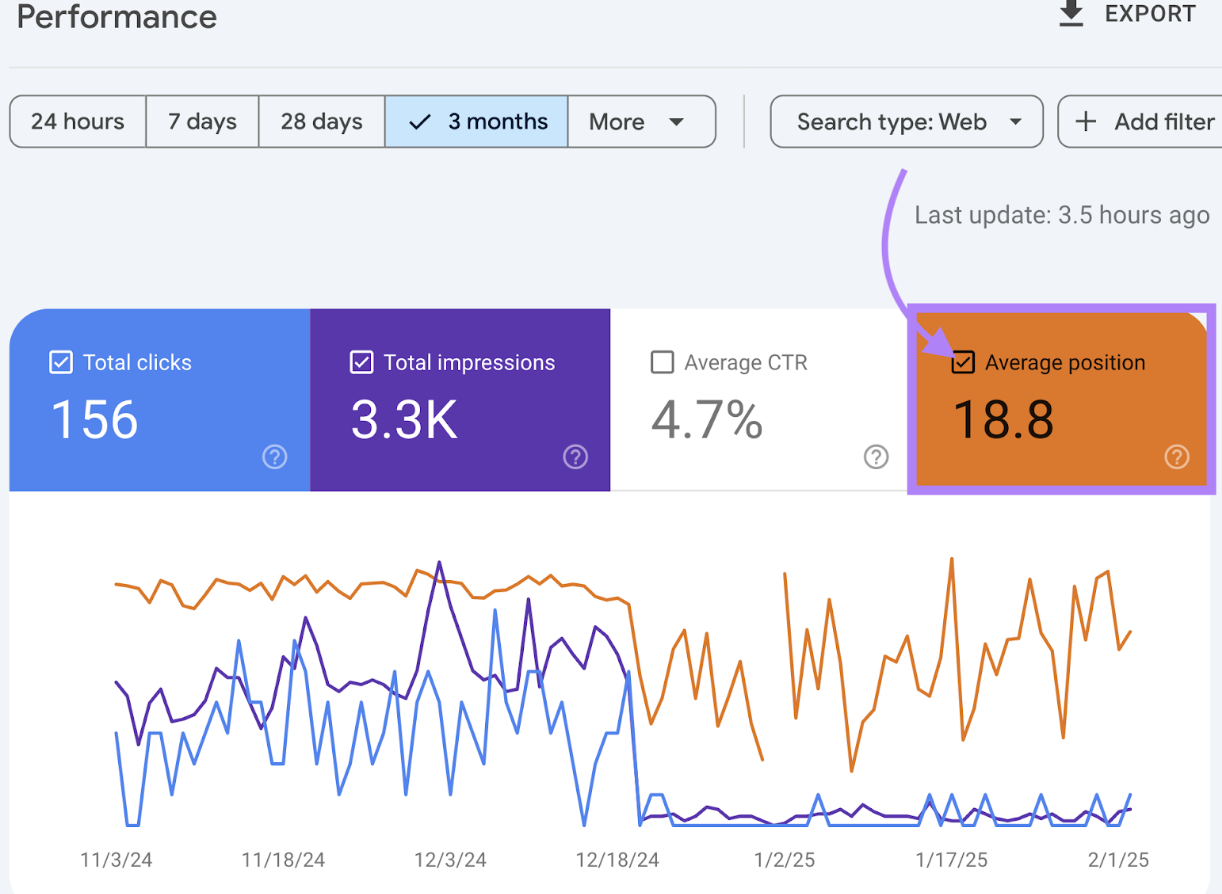
SEO companies understand that data is the foundation of every effective strategy. Using tools such as Google Analytics, SEMrush, and Ahrefs, they collect insights related to traffic, keywords, and user engagement.
These insights reveal how visitors interact with a website, which pages perform well, and where improvements are needed. Data replaces guesswork with clarity, allowing an SEO company in Long Island to identify patterns, track trends, and focus efforts where they deliver the strongest results.
Keyword Research and Optimization
Identifying High-Value Keywords
Keyword research is one of the first steps. SEO companies use analytics tools to identify keywords with strong search demand and realistic competition.
These tools help uncover what users are actively searching for and how competitive those terms are.
Strategic Keyword Placement
After identifying target keywords, SEO companies integrate them into:
- Title tags
- Meta descriptions
- Headings
- On-page content
Analytics allow SEO teams to track keyword performance and adjust strategies to improve rankings over time.
Analyzing User Behavior
Understanding Visitor Interaction
SEO companies analyze user behavior metrics such as:
- Bounce rate
- Average session duration
- Pages per session
These insights reveal how users engage with a website.
Improving User Experience Through Data
If users leave pages quickly, analytics may indicate poor content quality, slow loading times, or navigation issues. SEO companies use this data to improve page structure, content relevance, and performance.
Better user experience supports higher rankings and increased conversions.
Tracking Website Performance and Technical SEO
Monitoring Key Technical Metrics
SEO companies track technical performance indicators such as:
- Page speed
- Mobile usability
- Crawl errors
- Site structure
Analytics tools help identify technical issues that negatively impact rankings.
Fixing Performance Barriers
Using data, SEO teams pinpoint slow-loading elements, broken links, or indexing problems. Resolving these issues improves both user experience and search engine visibility.
Competitor Analysis Through Data
Benchmarking Against Competitors
SEO is competitive. SEO companies analyze competitor data including:
- Keyword rankings
- Backlink profiles
- Traffic sources
This comparison highlights gaps and opportunities.
Adapting Winning Strategies
By studying competitor success, SEO companies refine their own strategies and stay aligned with evolving search trends.
Backlink Analysis and Authority Building
Monitoring Backlink Profiles
Backlinks signal authority to search engines. SEO companies analyze backlink data to assess link quality and relevance.
Identifying Link-Building Opportunities
Analytics help SEO companies discover:
- High-quality linking domains
- Broken link opportunities
- Guest posting prospects
Strategic backlink building strengthens domain authority and supports higher rankings.
Content Optimization Through Data Insights
Identifying High-Performing Content
SEO companies use data to determine which content formats and topics perform best.
This insight guides future content creation and prioritization.
Refining Existing Content
Analytics reveal content gaps and underperforming keywords. SEO companies update existing content to improve relevance, coverage, and ranking potential.
Local SEO and Data-Driven Optimization
Optimizing for Local Search Visibility
For location-based businesses, local SEO is critical. SEO companies analyze local search data to optimize:
- Google Business Profiles
- Local keywords
- Citations and reviews
Targeting Geographic Performance Gaps
If performance varies by location, data helps SEO teams refine strategies for underperforming areas through local content and backlinks.
Tracking SEO Campaign Results and ROI
Measuring SEO Performance
SEO companies track campaign success using metrics such as:
- Organic traffic growth
- Lead generation
- Conversion rates
Using Data to Improve ROI
Analytics help identify which strategies produce results and which require adjustment. Continuous tracking ensures campaigns remain cost-effective and goal-driven.
Conclusion
SEO companies rely heavily on data and analytics to improve website rankings. By using insights from keyword research, user behavior analysis, technical SEO, content optimization, and competitor tracking, they build strategies that evolve with search engine algorithms and user expectations.
Data-driven SEO allows businesses to increase visibility, attract qualified traffic, and achieve long-term growth. In an increasingly competitive digital landscape, analytics are not optional—they are essential for sustained SEO success.
Read also What Digital Marketing Metrics Reveal About Real Audience Intent