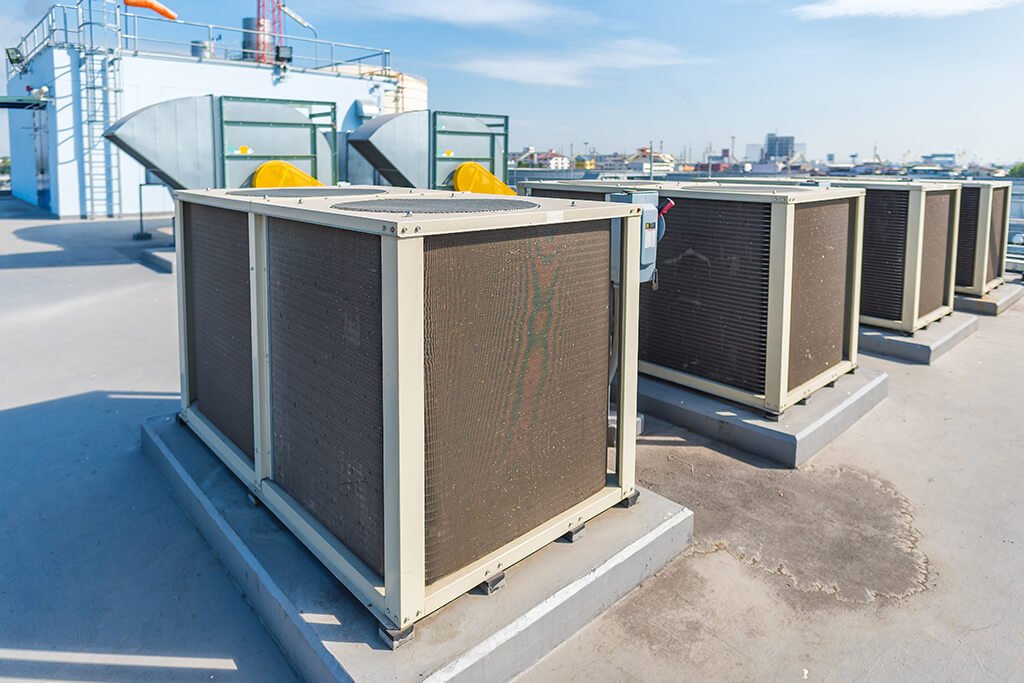
Keeping a commercial air conditioning (AC) system running smoothly is more than just a comfort issue. For many businesses, from restaurants to office buildings, a malfunctioning AC unit can disrupt operations, damage equipment, and cost thousands in lost productivity. But how often should commercial AC units be serviced to prevent these unexpected breakdowns? Understanding the right maintenance schedule, common warning signs, and the benefits of regular check-ups can save your business from costly surprises.
Why Regular AC Service Is Essential for Businesses
Commercial AC systems work harder than residential units. They often run for long hours and cool larger spaces with higher occupancy. Without proper maintenance, even a small problem can escalate quickly. Regular servicing helps businesses:
- Maintain consistent indoor temperatures for employees and customers.
- Reduce energy consumption and cut down on utility costs.
- Prevent sudden breakdowns that could interrupt operations.
- Extend the lifespan of the AC system.
For businesses like hotels, hospitals, and supermarkets, a breakdown can have serious consequences. Imagine a hospital wing losing air conditioning in the middle of summer or a grocery store struggling to keep perishable goods cold. These scenarios show why maintenance isn’t optional—it’s a necessity.
How Often Should Commercial AC Units Be Serviced?
The frequency of servicing a commercial AC unit depends on several factors, including usage, environment, and system type. However, a general guideline is:
- Standard commercial AC units: Every 3 to 6 months.
- High-usage systems or critical environments: Every 2 to 3 months.
- Older units: More frequent check-ups, sometimes monthly, to prevent sudden failures.
Regular servicing includes cleaning filters, inspecting refrigerant levels, checking electrical components, and ensuring airflow is not blocked. Missing these steps can lead to overheating, frozen coils, and compressor failure and need for emergency AC repair.
What Happens If AC Units Aren’t Serviced Regularly?
Neglecting AC maintenance can lead to multiple problems. Some of the most common issues include:
- Reduced efficiency: Dirty filters and coils make units work harder, increasing energy bills.
- Component wear and tear: Motors, compressors, and fans can fail faster.
- Poor air quality: Dust, mold, and bacteria build up in the system.
- Unexpected breakdowns: Sudden failures during peak business hours can be disastrous.
For example, a large office building experiencing AC failure during a heatwave could face employee complaints, decreased productivity, and costly emergency repairs. In food service, even a short downtime in refrigeration or cooling could result in spoiled inventory.
Signs It’s Time for Professional AC Maintenance
Knowing the warning signs of a failing commercial AC system can prevent expensive emergencies. Look out for:
- Uneven cooling: Some rooms are too cold while others remain warm.
- Strange noises: Grinding, rattling, or buzzing sounds from the unit.
- Unpleasant odors: Mold or mildew smells coming from vents.
- High energy bills: Spikes in electricity use can indicate inefficiency.
- Frequent cycling: The system turns on and off too often.
Spotting these problems early allows for prompt maintenance or repair, preventing small issues from turning into major breakdowns.
Benefits of Scheduling Preventive Maintenance
Preventive maintenance is not just a reactive measure—it’s proactive. Regular servicing can provide businesses with:
- Extended system life: Proper care can add years to the lifespan of the AC unit.
- Lower repair costs: Fixing small problems is cheaper than replacing major components.
- Improved comfort: Employees and customers enjoy consistent temperatures.
- Energy efficiency: Clean filters and coils reduce strain on the system, lowering utility bills.
For critical facilities like data centers, preventive maintenance ensures server rooms stay at safe temperatures, preventing equipment damage and downtime. Similarly, restaurants rely on AC systems to maintain food safety and customer comfort.
Best Practices for Commercial AC Maintenance
To get the most out of your commercial AC unit, businesses should adopt these best practices:
- Set up a maintenance schedule: Mark routine inspections on a calendar to ensure consistency.
- Work with certified technicians: Professional HVAC technicians can detect hidden issues.
- Document all maintenance: Keeping detailed records helps track the system’s history.
- Upgrade older units when necessary: Sometimes investing in a newer, more efficient system saves money in the long run.
- Use high-quality filters and parts: Cheap components may reduce upfront costs but increase future maintenance needs.
Implementing these practices can prevent downtime and ensure your AC system operates reliably year-round.
How Seasonal Factors Affect AC Maintenance
The climate in which a business operates also impacts maintenance needs. For example:
- Hot and humid regions: AC units work harder, so more frequent servicing is required.
- Dusty environments: Units in construction-heavy areas need frequent filter cleaning.
- Winter use: Some commercial AC systems double as heating units, requiring checks before and after the cold season.
Considering local conditions when planning maintenance can prevent season-specific issues like frozen coils in winter or clogged condensers in summer.
Energy Efficiency and Environmental Benefits
Regular maintenance of commercial AC units isn’t just about cost savings—it also has environmental benefits. Efficient systems use less energy, reducing carbon emissions. Businesses with green initiatives or sustainability goals should view AC maintenance as part of their environmental strategy.
For instance, supermarkets and grocery chains that maintain their refrigeration and cooling units not only save on electricity but also reduce food waste, contributing to broader sustainability goals.
Common Misconceptions About Commercial AC Servicing
Some business owners believe:
- “AC maintenance is only needed when something breaks.”
- “Professional servicing is too expensive for small businesses.”
- “DIY cleaning is enough to prevent breakdowns.”
These ideas are risky. Professional maintenance prevents small problems from escalating, protects expensive equipment, and often costs less than emergency repairs. Even small businesses benefit from a proactive approach.
Tips for Choosing the Right AC Service Provider
Finding the right HVAC service provider can make a big difference. Businesses should consider:
- Experience with commercial systems: Not all technicians handle large-scale AC units.
- Certifications: Look for licensed and insured professionals.
- Emergency services: Ensure 24/7 availability for unexpected breakdowns.
- References and reviews: Past client feedback indicates reliability.
- Maintenance agreements: Long-term contracts often include routine inspections at discounted rates.
A trusted service provider helps businesses avoid downtime and ensures units operate efficiently throughout the year.
Conclusion
Regular service of commercial AC units is essential to avoid unexpected breakdowns, reduce energy costs, and maintain a comfortable environment for employees and customers. By scheduling preventive maintenance, monitoring for warning signs, and working with professional technicians, businesses can protect their investment, extend the lifespan of their systems, and minimize operational disruptions. Whether managing a restaurant, office building, or hospital, proactive AC maintenance is a smart, cost-effective choice.
Don’t wait until a breakdown hits—start planning your commercial AC maintenance today and keep your business cool, efficient, and running smoothly.