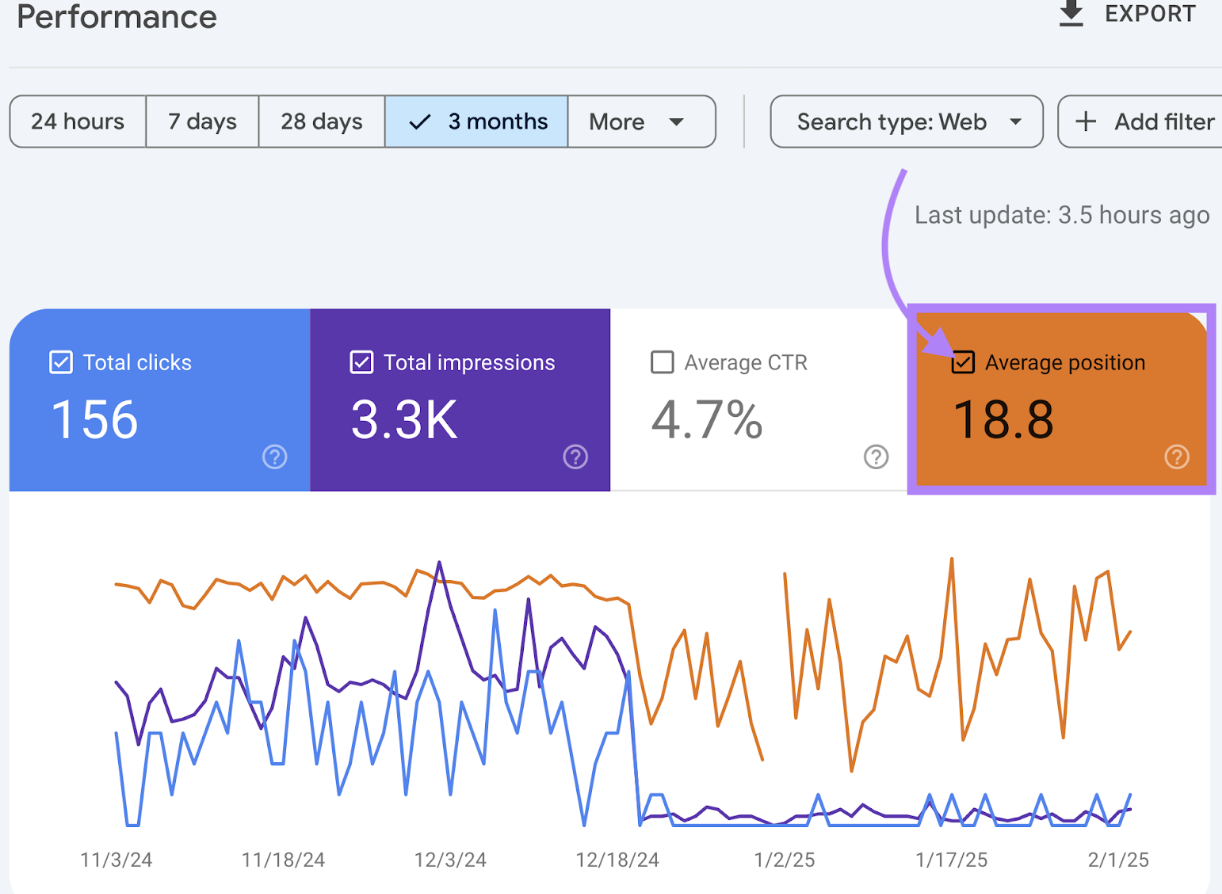
Digital marketing is full of numbers. Traffic, clicks, impressions, likes—everything looks measurable. But numbers alone do not tell the full story. What matters most is audience intent. Intent explains why people visit, what they want, and how close they are to taking action.
Digital marketing metrics act like signals. When read correctly, they reveal how users think, feel, and behave. When read wrong, they create false confidence. This article explains which metrics truly reveal intent, why many are ignored, and how to use them the right way for long-term growth.
Read also: The Importance of Digital Marketing in Today’s Business Landscape
Why Most Digital Marketing Metrics Are Misleading
The problem with vanity metrics like impressions and likes
Vanity metrics look impressive, but they rarely show intent. High impressions only mean content was shown. Likes only show light interest. Neither tells you if users found value or planned to act.
For example, a page with thousands of views but no engagement often signals low intent. The audience arrived, looked, and left. That behavior matters more than the view count itself.
How surface-level data creates false confidence
Surface metrics make performance feel strong when it is not. A rising traffic graph can hide deeper issues like poor targeting or weak content relevance.
Search engines and users both care about usefulness. Metrics that ignore behavior fail to reflect true intent and often lead to wrong decisions.
Why reporting dashboards often hide real performance issues
Dashboards usually highlight easy metrics. Harder metrics require interpretation. As a result, real intent signals stay buried.
Analytics platforms may show totals, but they do not explain motivation. Intent lives in patterns, not totals.
Metrics That Reflect Real User Behavior
Engagement depth vs simple page views
Engagement depth shows how far users scroll, how long they stay, and what they interact with. This reveals whether content matches user expectations.
A user who scrolls halfway and exits shows curiosity. A user who scrolls fully and clicks links shows strong intent.
Time-based metrics that indicate content usefulness
Time on page helps reveal intent when combined with context. Long time with scrolling usually means value. Long time with no movement may signal confusion.
User behavior metrics must be read together, not alone.
Bounce rate vs intent satisfaction
Bounce rate is often misunderstood. A bounce does not always mean failure. If a user finds exactly what they need and leaves, intent was satisfied.
The key is matching bounce rate with search intent and content type.
Metrics That Connect Marketing to Revenue
Cost per qualified lead vs cost per lead
Not all leads are equal. A lower cost per lead may look good, but if those leads never convert, intent was weak.
Qualified leads show clearer intent. They interact more, return more often, and convert at higher rates.
Conversion quality and post-conversion behavior
Conversions do not end at form submission. Post-conversion behavior reveals real intent. Do users return? Do they engage again?
High-quality intent leads to ongoing interaction.
Customer lifetime value as an intent signal
Customer lifetime value reflects trust and long-term intent. Users who stay longer show alignment with expectations.
This metric connects digital marketing performance directly to business health.
SEO and Content Metrics That Actually Matter
Search intent match over keyword rankings
Ranking high means nothing if intent is wrong. A page ranking well but failing to engage shows a mismatch.
Search intent tells you what users expect. Metrics like engagement and return visits confirm whether expectations were met.
Organic traffic consistency vs traffic spikes
Spikes often come from trends or viral reach. Consistency signals trust and stable intent.
Search engines reward content that meets ongoing user needs.
Content decay and refresh indicators
When traffic drops slowly, intent may be changing. Users want updated answers.
Monitoring decay helps align content with evolving intent.
Why These Metrics Are Often Ignored
Complexity and lack of clear interpretation
Intent metrics are harder to explain. They require thinking, not just reporting.
Many teams avoid them because they do not fit into simple charts.
Tool-driven reporting biases
Tools prioritize what is easy to measure. They do not prioritize what is meaningful.
This leads to over-focus on activity instead of impact.
Short-term goals vs long-term growth thinking
Short-term goals favor fast numbers. Intent builds slowly.
Ignoring intent metrics harms sustainable growth.
How to Build a Metrics Framework That Drives Action
Selecting metrics based on business objectives
Metrics should support goals. Awareness goals need engagement metrics. Growth goals need conversion quality metrics.
Intent-driven frameworks focus on outcomes, not noise.
Creating decision-focused dashboards
Dashboards should answer questions, not just display data.
Good dashboards show patterns, trends, and behavior shifts.
Turning insights into optimization steps
Metrics only matter when they lead to action. Intent data should guide content updates, targeting changes, and UX improvements.
Action completes the data loop.
Common Mistakes When Interpreting Digital Marketing Metrics
Measuring activity instead of outcomes
Posting more does not mean performing better. Activity metrics distract from intent.
Outcomes show whether users care.
Ignoring context and external factors
Seasonality, trends, and user needs affect intent. Metrics must be read in context.
Without context, numbers mislead.
Over-optimizing for a single metric
Focusing on one metric creates blind spots. Intent appears through multiple signals.
Balanced analysis leads to better decisions.
How Digital Marketing Metrics Reveal Micro-Intent and Trust Signals
Understanding Micro-Intent Through Small User Actions
Audience intent rarely appears all at once. It builds in small steps known as micro-intent. These are subtle actions users take before making a clear decision.
Micro-intent actions include scrolling past the first screen, clicking internal links, expanding FAQs, or returning to the same page within a short time. Each action shows growing interest.
When multiple micro-intent signals appear together, they reveal stronger motivation than clicks alone. These signals help digital marketers understand whether users are curious, evaluating options, or preparing to act.
Intent Signals vs Noise Signals in Digital Marketing Metrics
Not every metric deserves attention. Some metrics reveal real intent, while others create noise.
Intent signals reflect purpose and readiness:
- Scroll depth combined with time on page
- Repeat visits to the same content
- Navigation to related pages
- Post-conversion engagement
Noise signals look impressive but lack meaning:
- Raw impressions
- Total clicks without context
- Social reactions without follow-up behavior
Separating intent signals from noise helps teams focus on quality, not just visibility.
Mapping Digital Marketing Metrics to Intent Stages
Digital marketing metrics become more powerful when matched to intent stages instead of funnels.
- Exploration intent appears through scroll depth and session duration
- Evaluation intent shows in repeat visits and internal navigation
- Decision intent appears in conversion quality and follow-up actions
- Trust intent shows in retention, branded searches, and return frequency
This method aligns user behavior, search intent, and content relevance into one clear framework.
How Trust-Based Metrics Indicate Mature Audience Intent
Trust is the final stage of intent. Users who trust content behave differently.
Trust-based metrics include direct traffic growth, branded search behavior, longer session intervals, and consistent return visits. These signals show confidence rather than curiosity.
Search engines value trust signals because they reflect user satisfaction over time. Content that builds trust gains stability, not just short-term attention.
Common Micro-Intent Blind Spots Marketers Overlook
Many teams miss intent because they focus on volume instead of behavior.
Common blind spots include tracking sessions instead of users, ignoring returning visitor patterns, and treating all conversions as equal. These gaps hide valuable intent signals.
Recognizing micro-intent blind spots allows digital marketing strategies to shift from reactive reporting to proactive optimization.
FAQS:
Digital marketing metrics show how users behave, not just how many arrive. Metrics like time on page, scroll depth, and repeat visits reveal whether users are curious, evaluating options, or ready to act.
Vanity metrics such as impressions and likes only show exposure. They do not explain whether users found value or planned to take action. Real intent appears in behavior, not visibility.
Metrics that reflect real intent include engagement depth, return visits, internal navigation, conversion quality, and long-term interaction. These signals show purpose rather than casual interest.
Micro-intent refers to small user actions that show growing interest. Examples include scrolling past the first screen, opening FAQs, clicking related content, or revisiting a page within a short time.
Tracking micro-intent helps identify what content users value. It allows marketers to refine messaging, improve structure, and guide users toward meaningful actions.
Time on page only works when combined with other signals. Long time without scrolling may show confusion, while shorter time with interaction may show satisfaction.
Conclusion: Reading Metrics Through the Lens of Intent
Digital marketing metrics are not just numbers. They are behavior signals. When read correctly, they explain what users want, why they act, and how close they are to conversion.
Real audience intent lives beyond vanity metrics. It appears in engagement depth, content relevance, conversion quality, and long-term behavior. Marketers who understand this build trust, not just traffic.
By focusing on intent-driven metrics, digital marketing becomes clearer, smarter, and more sustainable.
Read also: The Rise of Remote Digital Marketing Jobs: Opportunities and Strategies